

Repeated reading can be a simple and effective way to help children become more fluent readers.
But reading the same passage over and over doesn’t have to mean sitting down and reading the exact same page five times.
The most useful repeated reading activities give children multiple opportunities to practise the same words and sentences while keeping reading purposeful, varied and encouraging.
When children reread familiar text, they can gradually spend less effort working out individual words and more attention on reading smoothly, accurately and with meaning.
So, what repeated reading activities actually work?
Repeated Reading Activities That Actually Work
If your child groans when you suggest reading the same book or passage again, you’re certainly not alone!
But rereading familiar text can be a valuable part of learning to read.
Each time a child returns to the same words, they have another opportunity to practise decoding, recognise familiar patterns and read with a little more confidence.
The trick is making repeated reading feel less like “read it again” and more like an opportunity to play, perform, explore and notice progress.
From silly voices and partner reading to mini performances and phonics hunts, these repeated reading activities give children a reason to return to familiar text — while building the skills that support smoother, more confident reading.
What Is Repeated Reading?
Repeated reading is a reading practice strategy where a child reads the same text, or a very similar text, more than once.
The aim isn’t simply to increase reading speed.
Repeated reading gives children the opportunity to practise decoding words they have already encountered, develop greater familiarity with sentence patterns and build more automatic word recognition.
For beginning readers, repeated reading can be particularly useful when the text contains phonics patterns they have already been learning.
For example, after learning short-vowel CVC words, a child might read a short passage containing words such as:
cat, sat, pin, big, hop, dog
The first reading may require considerable effort.
With repeated opportunities to read those words, the child may begin to recognise them more readily.
Free Printable Placemat

Stage 2 Placemat: Beginners Digraphs
A fun consonant diagraphs resource for beginners learning to read, write and spell! Includes voiced and unvoiced ‘th’ digraphs.
Why Does Repeated Reading Help Reading Fluency?
Reading fluently involves more than reading quickly.
A fluent reader generally reads with:
- accuracy
- appropriate pace
- fewer unnecessary pauses
- smoother phrasing
- expression
- attention to meaning
Repeated reading provides practice with the same words and language structures, helping reading become more efficient.
When a child no longer needs to spend quite as much mental effort decoding every familiar word, more attention can be available for understanding what they are reading.
This is one reason repeated reading is often used as part of reading fluency instruction.
1. Read It, Read It Again
Sometimes the simplest activity is one of the most effective.
Choose a short, appropriately challenging passage and invite your child to read it more than once.
Rather than saying:
“Read it five times.”
try giving each reading a different purpose.
For example:
First read: Let’s work out the words.
Second read: Let’s see if we can make it smoother.
Third read: Can you read it like you’re telling me a story?
The focus changes even though the text stays the same.
For beginning readers, keep the passage short enough that repeated reading doesn’t become tiring.
2. Echo Reading
Echo reading gives children a model of fluent reading before they have to read the text independently.
Read one sentence or short phrase aloud.
Then invite your child to read the same sentence.
For example:
Adult: “The little cat sat on the mat.”
Child: “The little cat sat on the mat.”
This can help children notice phrasing, punctuation and expression while also giving them another opportunity to practise the words.
As your child’s confidence grows, gradually reduce the amount you model.
3. Read Together
In paired or choral reading, you read the text together.
This can be particularly helpful for children who become anxious or reluctant when asked to read independently.
Choose a short text and read it aloud together, allowing your child to join in at their own pace.
You can gradually reduce your voice as your child becomes more confident with the text.
This creates repeated exposure without making every reading feel like a test.
4. Partner Reading
Take turns reading the same passage.
You might read one sentence while your child reads the next.
Or your child could read a short section before swapping roles.
For younger children, you can make the sections very small.
For example:
Adult: “The dog ran…”
Child: “…to the big log.”
Then swap.
The goal isn’t to correct every little mistake.
Instead, keep the experience focused on practising successful reading.
5. Character Reading
Turn repeated reading into a little bit of play.
If the text contains dialogue, assign different characters.
Read the story once normally.
Then read it again using character voices.
For example:
Narrator: “The dog looked at the box.”
Dog: “What’s inside?”
Cat: “I don’t know!”
Children often enjoy rereading when there is a playful reason to return to the same text.
This works particularly well with simple stories, predictable books and short passages.
6. Read Like a Reporter
Give your child a reason to practise reading with expression.
Pretend they’re presenting the news.
They might read a short passage into a pretend microphone, recording device or toy microphone.
Encourage them to think about:
- punctuation
- important words
- where to pause
- how the sentence sounds
The passage can then be reread as many times as needed to prepare for the “broadcast”.
The repeated reading has a purpose: getting ready to perform.
7. Make a Mini Performance
A short poem, rhyme or familiar story can become a performance.
Let your child choose a piece they enjoy and practise reading it aloud.
They could eventually read it to:
- a parent
- a sibling
- a grandparent
- a favourite toy
- a classroom group
The audience doesn’t need to be large.
Knowing that they are preparing to read something aloud can give children a meaningful reason to reread the same text.
8. Sentence Strip Rereading
For children who are still developing early reading skills, you don’t need an entire story.
Write or print a few simple sentences.
For example:
The cat is big.
The cat can hop.
The cat can sit.
Read the sentences together.
Then mix up the order and read them again.
You can also cut the sentences into strips and let your child arrange them into a sensible sequence before rereading them.
This provides repeated reading practice while also supporting comprehension.
9. Highlight the Words You Know
Repeated reading can also be used to reinforce previously taught phonics patterns.
Choose a short passage containing words your child has been practising.
Ask your child to find a particular pattern.
For example:
“Can you find all the words with ‘sh’?”
Your child might highlight:
ship, shop, fish, wish
Then read the passage again.
The child gets repeated practice reading the same words while also drawing attention to the spelling pattern.
10. Read It With Different Voices
For some children, repetition becomes much more appealing when it is silly.
Read the same passage:
- like a robot
- like a whisper
- like a newsreader
- like a very sleepy person
- like a giant
- like a tiny mouse
You don’t need to do this every time.
The purpose is simply to make rereading feel playful rather than repetitive.
It can also encourage children to pay attention to phrasing and expression.
11. Record and Listen
If your child is comfortable with it, record them reading a short passage.
Then listen to the recording together.
Rather than focusing on mistakes, ask questions such as:
“Did that sound smooth?”
“Where did you pause?”
“Which part sounded really good?”
Your child can then reread the passage and make another recording.
This gives them an opportunity to notice their own progress.
12. Use Familiar Books
Repeated reading doesn’t always require a worksheet or specially prepared passage.
A favourite picture book can provide plenty of opportunities for rereading.
Children often naturally reread books they enjoy.
They may initially rely heavily on the illustrations and familiar story structure.
With repeated exposure, they may begin joining in with repeated phrases or recognising familiar words.
This is one reason it’s perfectly okay to read the same favourite book again and again.
13. Reread Short Decodable Texts
For children learning to read through systematic phonics instruction, decodable texts can provide an opportunity to practise the sound-spelling patterns they have been learning.
For example, if a child has been learning short-vowel CVC words, choose a text that primarily uses patterns they have already been taught.
Read it once to work through the words.
Then reread it to build familiarity.
A later reading may sound much smoother because the child has already had an opportunity to decode the words.
The important point is that repeated reading shouldn’t require children to memorise words they haven’t yet learned to decode.
What Does the Research Say About Repeated Reading?
Repeated reading is one approach used to support reading fluency.
Research and evidence reviews have examined repeated oral reading and other guided fluency-building approaches, with findings suggesting that structured opportunities to read connected text can support aspects of reading development.
The Institute of Education Sciences recommends ensuring that children regularly read connected text to support accuracy, fluency and comprehension.
However, repeated reading works best as part of broader reading instruction rather than as a stand-alone approach.
Children also need explicit instruction in phonics and decoding, along with opportunities to develop vocabulary and comprehension.
For beginning readers, this means choosing text that is appropriate for the child’s current decoding skills and using repeated reading as an opportunity to practise—not simply asking a child to memorise a difficult passage.
How Many Times Should a Child Read the Same Text?
There isn’t one magic number of repetitions that every child needs.
Some children may benefit from two readings. Others may happily read the same passage several times.
Pay attention to how your child is responding.
If each reading becomes smoother and more confident, another rereading may be useful.
If your child is becoming frustrated, tired or disengaged, it may be time to stop.
Quality matters more than simply counting repetitions.
A few purposeful rereads are generally more useful than turning reading practice into a battle.
Should Children Read the Same Book Every Day?
They can, particularly if it is a book they enjoy.
Repeated reading of familiar books can help children become more comfortable with the vocabulary, sentence structures and story.
However, children also benefit from encountering new texts.
A balanced approach might include:
- a familiar book for confidence
- a decodable text for phonics practice
- a new book for vocabulary and comprehension
- a favourite book simply because your child enjoys it
Reading doesn’t have to be one particular type of activity every time.
What If My Child Doesn’t Want to Reread?
This is where changing the activity can help.
Instead of insisting that your child read the same passage again, try giving them a choice.
“Would you like to read it together or by yourself?”
“Do you want to read it like a robot or a newsreader?”
“Should we read the story to Dad or Teddy?”
“Would you like to find the ‘sh’ words before we read it again?”
The words may be the same, but the experience can feel completely different.
Following your child’s interests and keeping reading practice positive can help build a sustainable reading routine.
Repeated Reading Shouldn’t Be About Speed
One common misconception is that fluent reading means reading as quickly as possible.
Fast isn’t automatically fluent.
A child who races through a passage while missing words, punctuation and meaning isn’t necessarily demonstrating strong reading fluency.
Instead, look for gradual changes such as:
- fewer decoding pauses
- more accurate word reading
- smoother phrasing
- attention to punctuation
- more natural expression
- better understanding of the text
The goal is accurate, increasingly automatic and meaningful reading.
A Simple Repeated Reading Routine
You don’t need a complicated program.
Try this simple routine with a short, appropriate text.
Read 1: Work It Out
Let your child take their time decoding unfamiliar words.
Offer support when needed.
Read 2: Make It Smooth
Read the passage again, encouraging smoother phrasing and fewer unnecessary pauses.
Read 3: Read With Expression
Talk about punctuation and how the characters or narrator might sound.
Read 4: Read for Fun
Change the voice, perform the story or read it to someone else.
And stop when your child has had enough.
The aim is to create successful reading practice, not to reach a predetermined number of repetitions.
CVC At Home Reading & Spelling Program
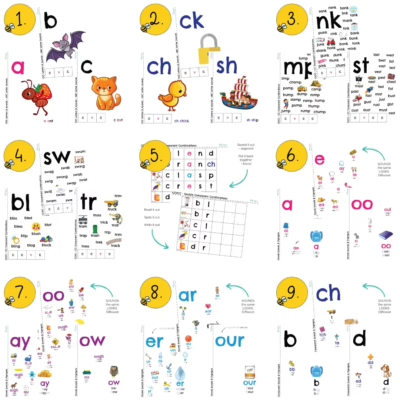


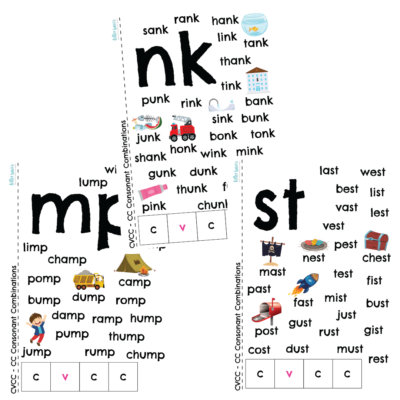


Bundle Stage 1-9: CVC Spelling Packs
Bundle and Save! Our Interactive CVC spelling, reading & writing packs are designed to help you confidently teach letter sounds, phonics, digraphs, blending and segmenting. They are a ‘must have’ for every parent, teacher or speechie and are perfect for keeping kids engaged and learning through play as they interact with the reusable CVC spelling, reading & writing activities.
Repeated Reading Activities for Beginning Readers
For children who are still developing foundational reading skills, repeated reading can be especially useful when activities are short and closely matched to what they have already learned.
Try:
- rereading simple CVC sentences
- practising familiar decodable texts
- repeated reading of word lists
- matching words to pictures, then rereading the words
- reading the same sentence with different punctuation or expression
- highlighting a target phonics pattern before rereading
- building sentences with word cards and reading them aloud
- rereading a familiar book together
Keep the focus on practising known or recently taught skills rather than asking children to repeatedly struggle through text that is too difficult.
How Repeated Reading Fits Into Learning to Read
Repeated reading is just one part of learning to read.
Children also need opportunities to develop phonemic awareness, phonics knowledge, vocabulary, comprehension and language.
For beginning readers, explicit phonics instruction and opportunities to practise decoding are particularly important.
Repeated reading can then provide valuable opportunities to apply those skills in connected text.
Over time, the words and patterns that once required conscious effort can become increasingly familiar and automatic.
Repeated Reading Activities That Actually Work
Repeated reading doesn’t have to mean reading the same page again and again until everyone is bored.
The most useful repeated reading activities make practice purposeful.
Read together.
Perform the story.
Use silly voices.
Highlight phonics patterns.
Record a reading.
Read to a favourite toy.
Choose a familiar book your child genuinely enjoys.
Most importantly, keep the text appropriate for your child’s current reading skills and give them plenty of opportunities to experience success.
Because the goal isn’t simply to read the same words again.
It’s to help those words become more accurate, more automatic and easier to read with meaning.
Related Reading
- Oral Reading vs Silent Reading
- Why Reading Slowly Isn’t Always a Problem
- What Happens in the Brain When Children Learn to Read?
- Phonics Help for Struggling Readers: Strategies and Activities That Work
Recommended products
-
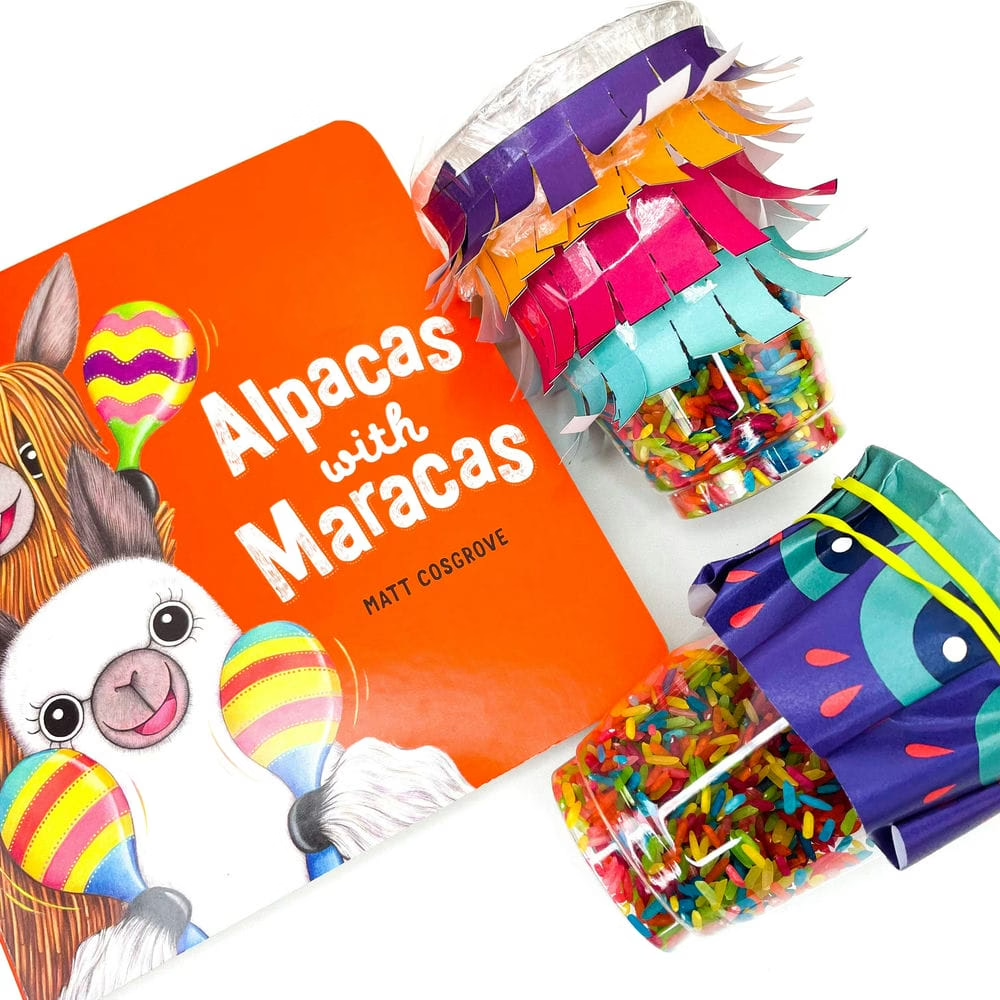
Alpacas with Maracas Play Pack
$3.00 -
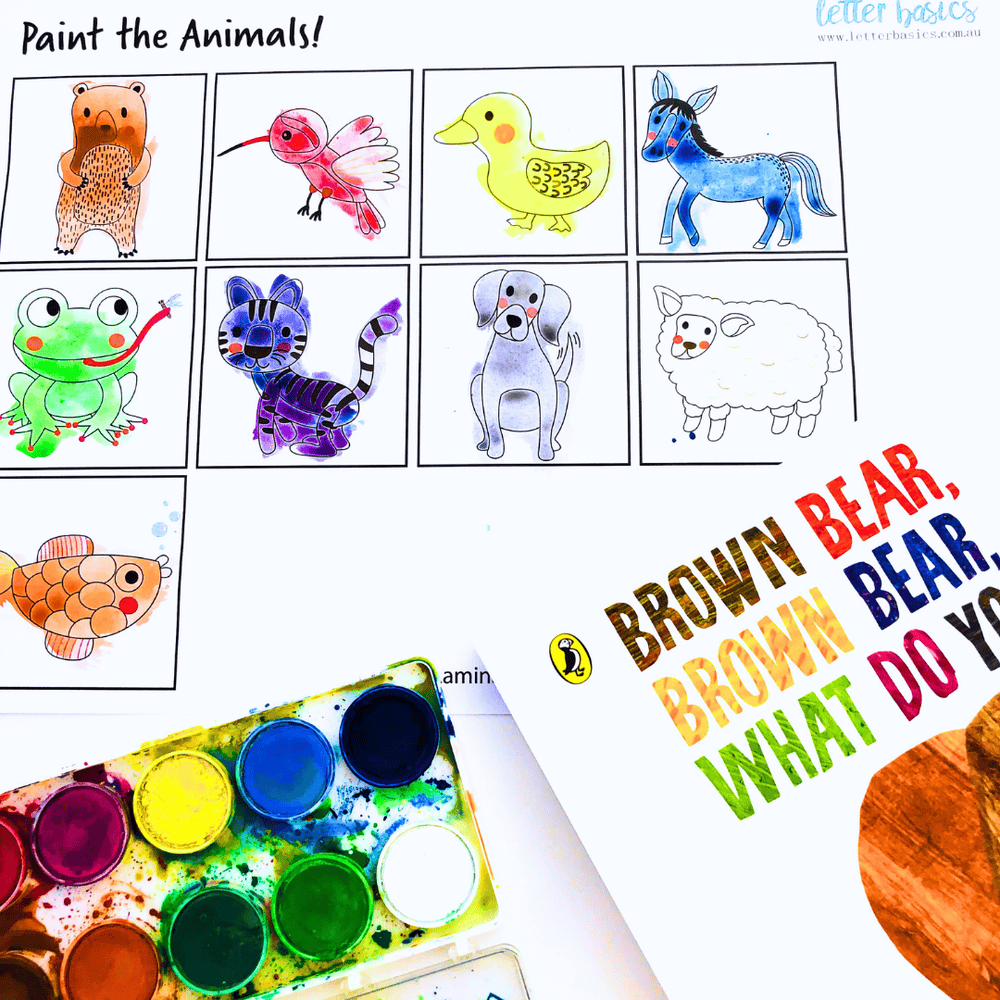
Brown Bear What Do You See Play Pack
$3.00 -
Dear Zoo Play Pack
$3.00 -

Diary of a Wombat Play Pack
$3.00 -
Hairy Maclary Play Pack
$3.00 -
I’m Australian Too Play Pack
$3.00 -

Little Phonics Adventures Finger Puppets and Play Book: A
$5.00 -

Pig the Pug Play Pack
$3.00 -
Where is the Green Sheep Play Pack
$3.00