
Learning to read is a gradual process.
In the beginning, children often need to stop and think about almost every sound: c-a-t … cat. With practice, those same words can eventually be recognised quickly and effortlessly.
But when should reading become automatic?
The short answer is: there isn’t one particular age when reading should suddenly become automatic.
Automatic word recognition develops gradually as children build their phonics knowledge, practise decoding, and encounter familiar words repeatedly.
Some children develop automaticity relatively quickly, while others need considerably more practice.
Understanding what automatic reading actually means can help parents know what to expect — and when a child may simply need more time and supported practice.
When Should Reading Become Automatic? A Guide for Parents
One of the questions parents often wonder about is, “When should my child stop sounding out words and just know them?”
In the early stages of learning to read, sounding out words is completely normal.
Children are learning to connect letters with sounds, blend those sounds together and use their growing phonics knowledge to work out unfamiliar words.
With time and practice, many of those words begin to feel easier. A word that once required careful sounding out can eventually be recognised almost instantly.
This is reading automaticity — and it plays an important role in developing fluent reading.
But there isn’t a magic age when reading suddenly becomes automatic.
Instead, automatic word recognition develops gradually as children build their phonics knowledge, practise reading and encounter familiar words again and again.
So, if your child is still sounding out words, should you be concerned?
Let’s look at what reading automaticity really means, when it develops and how you can support it at home.
What Does It Mean for Reading to Become Automatic?
When reading becomes automatic, a child can recognise familiar words quickly and accurately without having to consciously work through every sound.
For a beginning reader, the word sun might initially look like:
s – u – n → sun
With practice, the child eventually sees sun and recognises the word immediately.
This is known as automatic word recognition.
The Australian Curriculum describes word recognition as becoming increasingly proficient through applying letter–sound relationships to decode phonetically regular words and automatically recognising high-frequency words.
Fluency then develops as children become progressively faster, smoother, more accurate and expressive when reading increasingly complex text.
Automaticity is therefore an important part of learning to read — but it is not the same thing as reading fluency.
Automaticity and Fluency Are Not the Same
The terms automaticity and fluency are sometimes used interchangeably, but they describe related yet different skills.
Automaticity is about recognising words quickly and effortlessly.
Fluency involves reading accurately, smoothly and at an appropriate pace, with phrasing and expression that supports meaning.
Think of it this way:
Automatic word recognition helps a child read the words. Fluency helps them read the text.
A child might recognise most individual words automatically but still need to develop expression and phrasing.
Likewise, a child who is still sounding out many words will naturally have a slower, more effortful reading experience.
This is completely understandable in the early stages of learning to read.
Free Printable Placemat

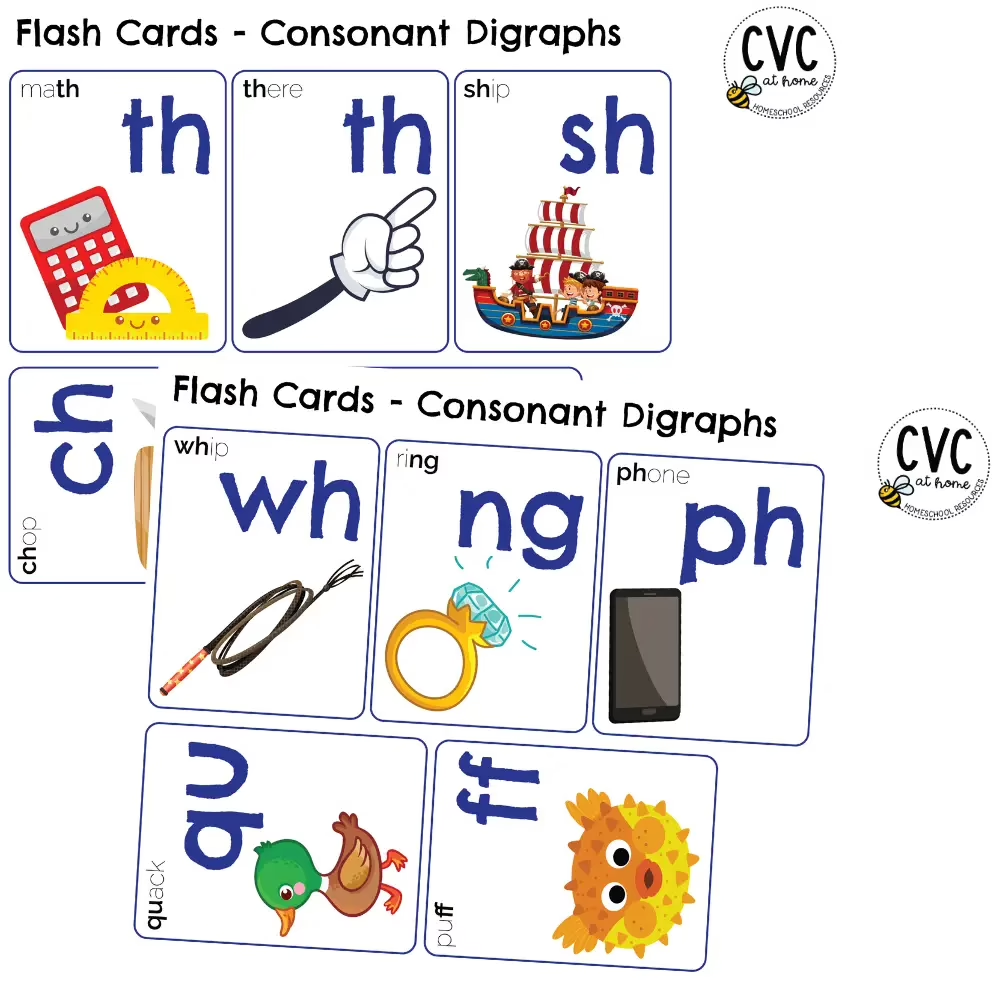
Stage 2 Placemat: Beginners Digraphs
A fun consonant diagraphs resource for beginners learning to read, write and spell! Includes voiced and unvoiced ‘th’ digraphs.
Should Beginning Readers Be Reading Automatically?
Not necessarily — especially when they are first learning phonics.
When children are learning to decode, sounding out words is an important part of learning to read.
For example:
m – a – p → map
At first, this process may be slow.
Over time, with repeated practice and exposure, the child may begin to blend the sounds more smoothly:
m-a-p → map
Eventually, map may simply be recognised as a familiar word.
This progression from deliberate decoding towards increasingly automatic recognition is a normal part of reading development.
Research reviewed by the National Reading Panel describes automaticity as developing along a continuum rather than as an abrupt change from “not automatic” to “automatic.”
So if your beginning reader still sounds out familiar words, that doesn’t automatically mean something is wrong.
They may simply be building the pathway towards automatic recognition.
When Does Reading Usually Become More Automatic?
There is no universal age or year level at which every child’s reading should become automatic.
Children learn at different rates and may need different amounts of practice.
Some children may recognise a new word after only a few encounters, while others need many more exposures.
Rather than asking:
“Should my child be reading automatically by this age?”
it can be more useful to ask:
- Is my child becoming more accurate?
- Are familiar words becoming easier?
- Is decoding becoming smoother?
- Does my child need less effort to read familiar words?
- Can they spend more attention on what the sentence means?
- Are they gradually becoming more confident?
These questions give you much more useful information about reading development than reading speed alone.
Accuracy Comes Before Speed
One of the most important things to remember is that fast reading is not the goal when a child is still learning to decode.
A child who carefully sounds out an unfamiliar word is using the reading skills they have been taught.
If we put too much emphasis on “reading faster”, a child may begin to guess words rather than decode them carefully.
Fluency research specifically cautions against pushing beginning readers to increase their reading speed too early.
Strong word recognition and accurate decoding are important foundations for later fluency.
So instead of saying:
“Can you read that faster?”
try:
“Can you read that smoothly?”
or:
“Let’s look at each sound.”
The aim is to gradually move from accurate and effortful towards accurate and automatic.
Why Does Automatic Word Recognition Matter?
Reading requires children to do several things at once.
They need to:
- Recognise the words.
- Understand the words.
- Connect the words together.
- Understand the sentence.
- Keep track of what they have already read.
- Build meaning from the text.
If recognising every word requires a huge amount of mental effort, there is less attention available for comprehension.
The National Reading Panel explains that as word recognition becomes increasingly automatic, fewer cognitive resources are required for recognising the words, allowing more resources to be available for understanding the text.
This is one reason automatic word recognition becomes increasingly important as children move from learning to read towards reading to learn.
What About CVC Words?
For children beginning their phonics journey, CVC words are a wonderful place to practise this transition.
Words such as:
- cat
- dog
- sun
- pig
- map
- sit
- bed
- hot
- cup
give children repeated opportunities to practise blending sounds into words.
At first, your child may need to segment and blend every word.
c – a – t → cat
With practice, familiar CVC words can become increasingly automatic.
This doesn’t mean children should stop using their phonics skills.
Quite the opposite.
Phonics gives children the tools they need to decode unfamiliar words, while repeated practice helps familiar words become easier and more automatic.
The Australian Curriculum Foundation achievement standard specifically includes reading CVC words and some high-frequency words, while Foundation content includes blending sounds associated with letters when reading CVC words.
Automatic Doesn’t Mean “Never Sound It Out”
This is an important distinction.
Even confident readers sometimes come across words they don’t know.
A child who has developed strong automatic word recognition should still be able to slow down and decode an unfamiliar word.
For example, a child may automatically recognise:
the, and, mum, dog, went, look
but need to sound out:
sunset
or
rabbit
or
fantastic
depending on their current phonics knowledge.
Automaticity applies particularly to words and spelling patterns that have become familiar.
It doesn’t mean every word a child encounters should be instantly recognised.
Even experienced adult readers slow down when they encounter unfamiliar vocabulary, technical language or complex text.
How Can Parents Help Reading Become More Automatic?
The good news is that you don’t need to turn reading practice into a race.
Instead, provide plenty of opportunities for your child to read accurately, practise familiar words and enjoy books.
1. Keep practising phonics
Continue teaching the sound–letter relationships your child is learning.
For a beginning reader, this might include:
s, a, t, p, i, n
before progressing to more complex phonics patterns.
Systematic phonics instruction helps children develop the knowledge they need to decode words accurately.
The Australian Government notes that phonics is one part of reading development alongside phonemic awareness, vocabulary, fluency and comprehension.
2. Read words more than once
Repeated exposure matters.
A word that requires effort today may be much easier tomorrow.
You can revisit familiar words through:
- word cards
- simple sentences
- CVC games
- matching activities
- magnetic letters
- word hunts
- spelling activities
- decodable books
- short reading games
The goal isn’t simply to memorise a list of words.
It’s to give children meaningful opportunities to apply what they know.
3. Read decodable text
When children are learning phonics, decodable texts provide opportunities to practise the letter–sound relationships they have been taught.
This allows children to apply their decoding skills rather than relying on pictures or guessing.
4. Reread favourite books
Children often love hearing the same story again and again — and there is a learning benefit too.
Repeated reading provides opportunities to become more familiar with words, sentence structures and the flow of the text.
Guided repeated oral reading has been shown to support word recognition, fluency and comprehension.
5. Talk about what you’re reading
Automatic word recognition is important, but reading isn’t simply about recognising words quickly.
Reading is about meaning.
Talk about:
- What happened?
- What do you think will happen next?
- Why did the character do that?
- What was your favourite part?
- What does that word mean?
- Does this remind you of anything?
These conversations help keep comprehension at the centre of reading.
Don’t Turn Reading Speed Into a Competition
It can be tempting to think that a fluent reader is simply a fast reader.
But speed alone isn’t fluency.
A child who races through a sentence but doesn’t understand it isn’t demonstrating successful reading.
Likewise, a child who reads slowly and carefully may be doing exactly what they need to do while developing their skills.
Even skilled readers may slow down when reading unfamiliar or technically difficult material.
So rather than focusing on:
“How fast can you read?”
focus on:
“Can you read it accurately and understand what it means?”
Speed can develop naturally as reading becomes easier.
What If My Child Is Still Sounding Out Everything?
If your child is still sounding out many words, consider which words they are sounding out and how they are progressing.
There is a big difference between:
“My child sounds out unfamiliar words.”
and:
“My child has been practising the same simple words for a long time but is making very little progress with recognising or decoding them.”
If your child is gradually becoming more accurate and confident, continued practice may be exactly what they need.
If reading remains consistently very difficult, slow or frustrating despite appropriate instruction and practice, it is worth discussing your concerns with your child’s teacher or a qualified literacy professional.
Early support can be helpful when a child is having persistent difficulty learning to read.
The Australian Government’s Year 1 Phonics Check, for example, is designed to help identify students who may need additional support with phonics and decoding.
So, When Should Reading Become Automatic?
There isn’t a magic age when reading should suddenly become automatic.
Instead, automaticity develops gradually.
A beginning reader may:
sound out → blend → recognise → practise → recognise more quickly → read more smoothly
Over time, familiar words require less conscious effort, leaving more attention available for understanding sentences, following ideas and enjoying the story.
And that’s really the goal.
Not simply reading faster — but making word recognition easy enough that your child’s attention can move beyond decoding and towards meaning.
So if your child is still sounding out words, don’t automatically worry.
Look for progress.
Look for growing accuracy.
Look for familiar words becoming easier.
Look for increasing confidence.
And, most importantly, keep giving your child opportunities to read, play with words, talk about books and enjoy being a reader.
CVC At Home Reading & Spelling Program




Bundle Stage 1-9: CVC Spelling Packs
Bundle and Save! Our Interactive CVC spelling, reading & writing packs are designed to help you confidently teach letter sounds, phonics, digraphs, blending and segmenting. They are a ‘must have’ for every parent, teacher or speechie and are perfect for keeping kids engaged and learning through play as they interact with the reusable CVC spelling, reading & writing activities.
Frequently Asked Questions
At what age should reading become automatic?
There is no single age when reading should become completely automatic.
Automatic word recognition develops gradually through phonics instruction, practice and repeated exposure to familiar words.
Should a 5-year-old be reading automatically?
Some 5-year-olds may recognise many familiar words automatically, while others are still developing their decoding skills.
Children’s reading development varies, so accuracy, progress and understanding are more useful indicators than speed alone.
Does reading automatically mean reading fluently?
Not exactly.
Automaticity refers mainly to fast, accurate word recognition.
Fluency also includes smoothness, appropriate phrasing and expression when reading connected text.
Should I encourage my child to read faster?
It’s generally better to prioritise accurate decoding and understanding rather than simply encouraging a child to read faster.
Speed can increase naturally as word recognition becomes more automatic.
How can I help my child develop reading automaticity?
Regular phonics practice, reading decodable texts, revisiting familiar words, rereading favourite texts and providing plenty of opportunities to read can all support the development of automatic word recognition.
Is sounding out words a good thing?
Yes. Sounding out is an important decoding strategy for beginning readers.
As children gain experience with phonics and familiar words, they gradually need to sound out fewer words because more word recognition becomes automatic.
The Takeaway for Parents
Reading doesn’t need to become automatic all at once.
It’s a gradual process that develops as children build phonics knowledge, practise decoding and encounter words repeatedly.
If your child is still sounding out words, that’s not necessarily a problem.
Watch the progress, rather than expecting a particular reading speed.
With time, practice and plenty of positive reading experiences, many words that once required careful decoding can become familiar and effortless — freeing your child’s attention to focus on what reading is really about:
Understanding, imagining, learning and enjoying books.
Recommended products
-
Alpacas with Maracas Play Pack
$3.00 -

Little Phonics Adventures Finger Puppets and Play Book: A
$5.00 -

Long Vowel Digraph Word List
$0.00 -

Stage 1-9 Placemat: Aussie Phonics & Digraphs
$9.00 -
Stage 2 Flashcards: Beginners Digraphs
Original price was: $5.00.$2.00Current price is: $2.00. -
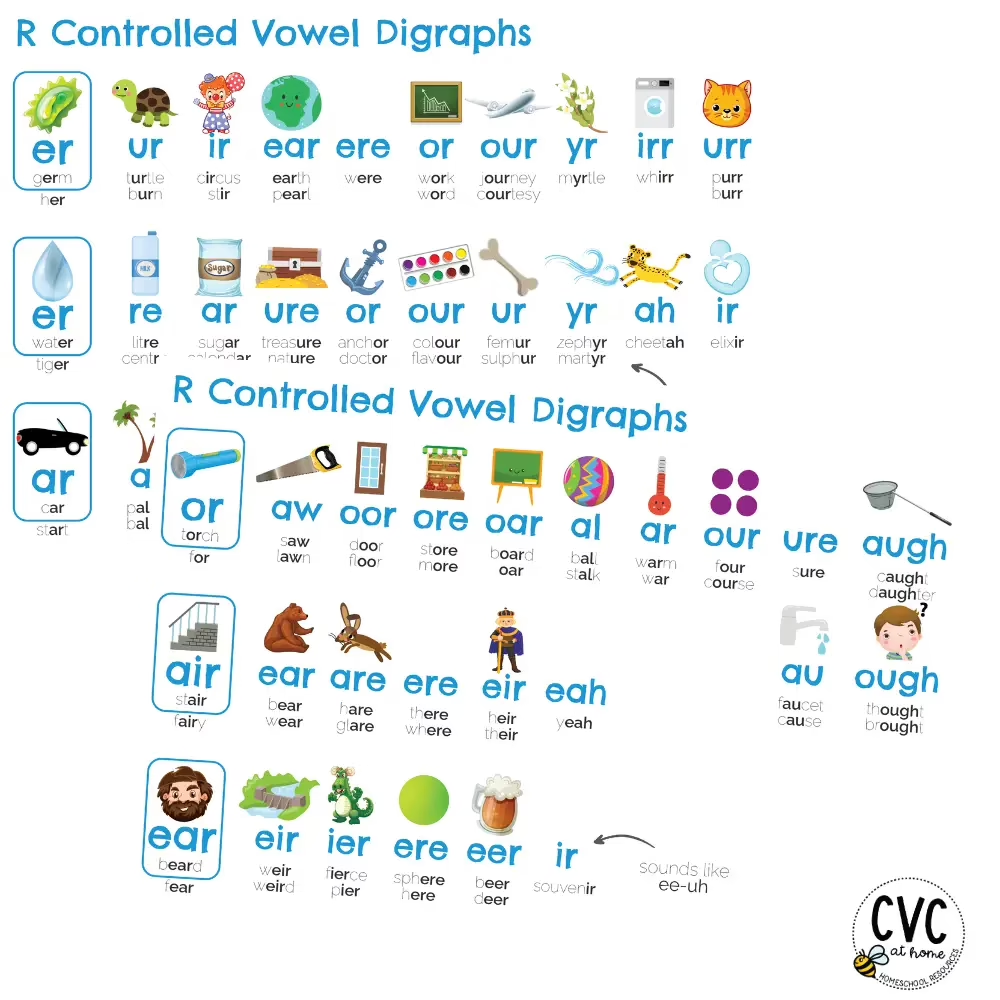
Stage 8 Placemat: R Controlled Vowel Digraphs
Original price was: $5.00.$3.00Current price is: $3.00. -
Where’s Spot Play Pack
$3.00 -

Little Phonics Adventures Animal Friends Colouring Book
$3.00